Building Facilities That Support Operations
Commercial Construction in Pima for businesses requiring new facilities designed around operational workflows and property constraints
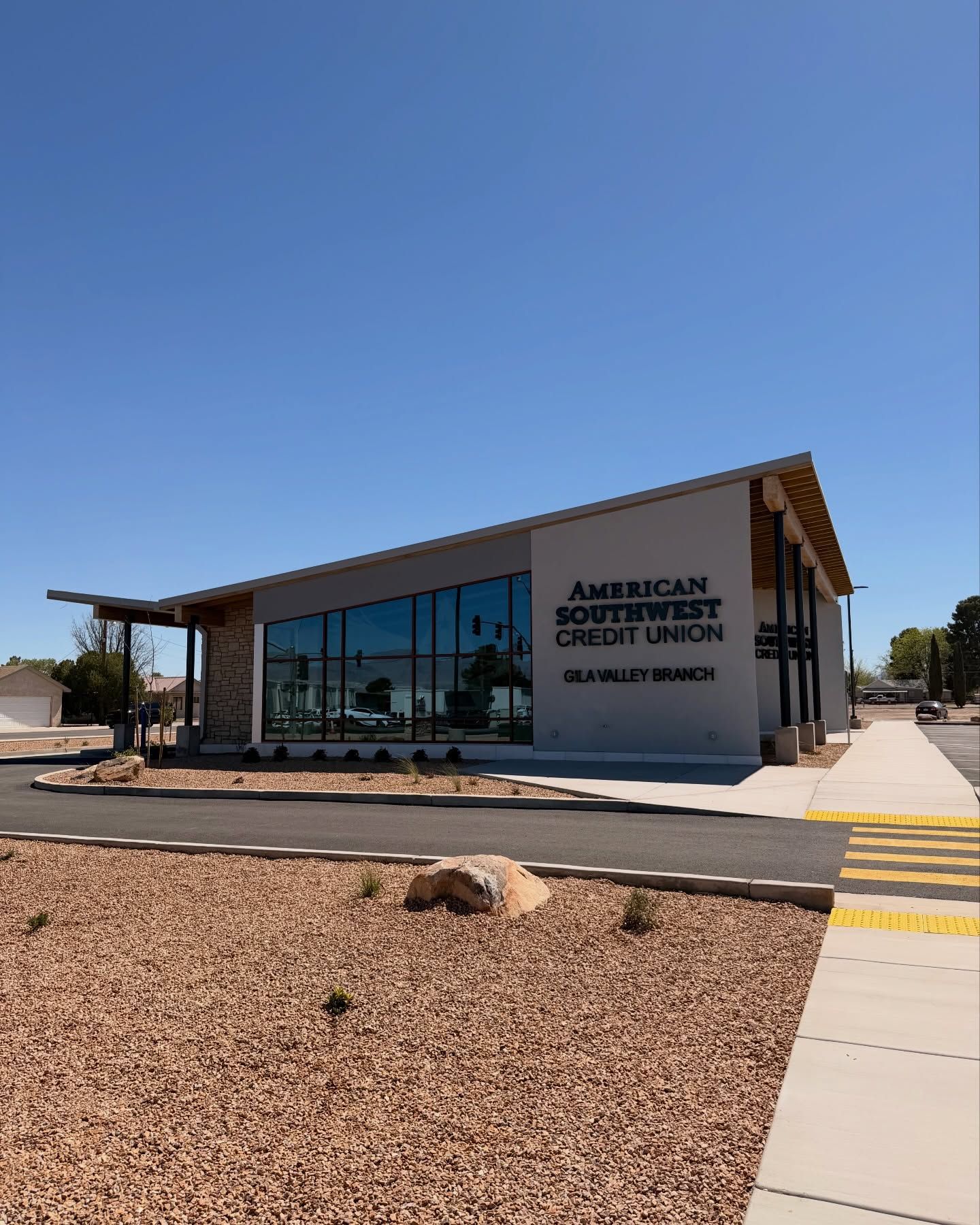
Efficient commercial operations depend on facilities designed around how the business functions—where inventory is stored, how employees and customers move through the space, and what mechanical systems support the work being done. Commercial construction involves planning that accounts for operational requirements, site logistics, and regulatory standards before building begins. Hughes Custom Performance manages commercial construction projects in Pima, coordinating design, scheduling, and trade work to deliver facilities that meet business needs while completing on schedule. Projects address offices, retail spaces, and other commercial facilities where layout, access, and infrastructure directly affect how the business operates.
Commercial construction requires coordinating multiple stakeholders including property owners, business operators, and regulatory agencies to ensure the finished facility meets operational, safety, and code requirements. Planning addresses site access for deliveries and customers, utility capacity for equipment and lighting, and spatial layout that supports workflow without wasted movement or bottlenecks.
Schedule a project discussion to review site conditions and operational requirements for your commercial facility.
How Commercial Projects Are Completed Efficiently
Commercial construction involves phased scheduling that sequences site work, foundation installation, structural framing, and MEP rough-in so that inspections occur at required intervals without delaying subsequent trades. Project management tracks material deliveries, coordinates subcontractor schedules, and addresses site conditions that affect access or staging. Quality workmanship ensures that structural elements meet load requirements, mechanical systems deliver adequate capacity, and finishes withstand the wear patterns typical in commercial environments. Attention to operational details during construction prevents layout inefficiencies that become costly to correct after occupancy.
When commercial construction completes, the facility supports business operations with adequate space for planned activities, mechanical systems that maintain comfortable conditions during occupied hours, and layouts that allow efficient movement of people and materials. Structural and finish work remains stable under regular use, and systems operate reliably without frequent service calls. The building performs as planned, allowing the business to focus on operations rather than facility issues.
Commercial construction projects include planning for code compliance, accessibility requirements, and operational functionality, though tenant improvements, specialized equipment installation, or ongoing facility modifications typically occur as separate scopes managed after initial construction completes.
What Property Owners Usually Ask
Commercial property stakeholders typically want to understand project timelines, coordination requirements, and what affects successful facility completion.
What factors determine commercial construction timelines?
Permit processing, site preparation needs, material lead times for specialty systems, and coordination with utility providers all affect scheduling, along with project complexity and weather conditions that impact exterior work phases.
How are operational needs incorporated into construction planning?
Discussions with business stakeholders identify workflow requirements, equipment locations, storage needs, and customer access patterns that influence layout design and system placements before construction drawings are finalized.
What distinguishes quality commercial construction from rushed work?
Properly installed structural connections, mechanical systems sized for actual load requirements rather than minimum code, and finishes applied according to manufacturer specifications all indicate construction managed for long-term performance rather than fastest completion.
How does construction in Pima affect material and system choices?
Intense sun exposure, high cooling loads during extended warm seasons, and low humidity influence roofing material selection, HVAC sizing, and exterior finish choices to ensure systems perform efficiently and surfaces resist degradation.
What coordination is required from property owners during construction?
Timely decisions on finish selections, access for utility connections, and communication with any tenants or adjacent businesses help maintain project schedules and prevent delays that extend completion dates.
Hughes Custom Performance manages commercial construction projects with attention to scheduling, quality standards, and collaboration with property owners and business stakeholders throughout the region. Contact us at (928) 965-3686 to discuss your commercial project and review construction approaches suited to your facility requirements.